
Discover the rich history of Mahjong, its cultural significance, and how digital platforms like 1UUU.COM online cassino Brasil #1 bring this ancient game to a modern audience.
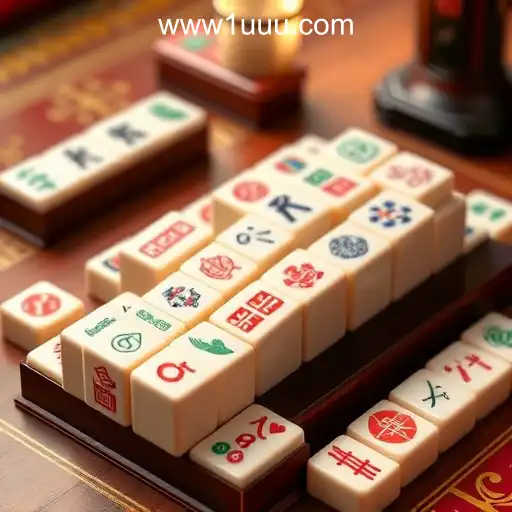
Mahjong: An Ancient Game with a Modern Twist
Mahjong is not merely a game; it is a cultural experience, an intellectual challenge, and a vessel of tradition. Originating from China, Mahjong has captivated players around the world and continues to fascinate people from various cultures. With its roots steeped in history, Mahjong has evolved into numerous variants, embracing modernity with a digital twist, as seen in platforms like 1UUU.COM online cassino Brasil #1 where players can engage in playful competition online.
The History of Mahjong
Understanding Mahjong requires a dive into its storied past. Thought to have been developed during the Qing dynasty in the 19th century, Mahjong's origins are often debated. Some say it was created by Chinese soldiers to pass the time, while others believe it was invented by Confucius, given that the game’s symbolic use of tiles aligns with his teachings. Despite its mysterious beginnings, Mahjong quickly became a staple in Chinese culture.
Initially, the game was played for leisure among the elite class. Over time, as it spread beyond China’s borders, Mahjong morphed, adapting to the preferences of diverse cultures. The game found its way to the Western world in the early 20th century, gaining popularity in the United States through the import of sets and an accompanying fascination with East Asian culture.
How to Play Mahjong
The game of Mahjong is played with a set of 144 tiles based on Chinese characters and symbols, though variant sets can include more tiles. Each player is dealt 13 tiles, and on each player’s turn, a tile is drawn, discarded, and the objective is to match tiles into sets and pairs, culminating in a winning hand, or "Mahjong." In some formats, points are awarded based on the complexity of the winning hand.
The game is traditionally played by four players, making it a social experience steeped in strategy. Variations of Mahjong may adjust the number of players, tiles, or rules, but the essence of strategy, patience, and skill remains universal.
The Cultural Impact of Mahjong
Mahjong is more than just a game; it is an embodiment of cultural identity and social bond among players. In many East Asian cultures, particularly in China, playing Mahjong is a family pastime, a practice during holidays and gatherings that fosters community and belonging.
The game has transcended its original boundaries, impacting global pop culture, contributing to artworks, films, and literature. Its strategic complexity and cultural heritage render it an intriguing subject for study and enjoyment.
Mahjong Goes Digital
In today’s digital age, Mahjong maintains its relevance through online platforms. Websites like 1UUU.COM online cassino Brasil #1 have integrated Mahjong into their offer, allowing enthusiasts from Brazil and beyond to enjoy the game online. Such platforms cater to both newcomers and seasoned players, providing a virtual space that simulates the classic Mahjong experience.
Online Mahjong variants bring the traditional game to a digital audience, offering different game modes, competitive play, and tournaments. Digital Mahjong has witnessed increased popularity as it offers the flexibility to play anytime, anywhere, reaching a global audience that might never have the chance to experience it otherwise.
The Appeal of Online Mahjong in Brazil
The fusion of traditional Mahjong with contemporary digital platforms has particularly resonated in regions like Brazil. As a result, platforms that include Mahjong among their offerings are gaining traction. For instance, 1UUU.COM online cassino Brasil #1 positions itself not only as a place for classic casino games but also as an online haven for cultural games like Mahjong, capturing the interest of diverse audiences.
The game’s embrace by Brazilian players symbolizes a broader cultural exchange, where traditional East Asian gaming can blend with Brazilian enthusiasm for strategic games and online interactions. This digital adoption marks a new era for Mahjong as it continues to grow in popularity, connecting communities across continents.
In essence, the digital age has allowed Mahjong to maintain its historical relevance while embracing modern innovations. The game remains a steadfast representation of strategy, culture, and community, now warmly welcomed in digital spaces where traditional boundaries fade.